.png)

Turning buildings into living systems that clean the air, reduce carbon, and redefine what architecture can do for the planet.
CO₂ CAPTURE • AIR PURIFICATION • BIOMASS VALORISATION • DIGITAL FABRICATION• ESG-READY • RETROFIT-COMPATIBLE • SWISS ENGINEERING • CARBON CREDITS • MICROALGAE PHOTOBIOREACTOR
GLOBAL CONTEXT
40% of Global CO₂ emissions stem from the built industry
The climate crisis requires more than just efficient insulation; it demands active buildings that participate in the ecosystem and purify the urban air we breathe.

Six Problems Purifying Facade Solves
01 —
Global and Urban Air Pollution
Air quality in cities continues to deteriorate. Urban density concentrates pollutants at street level, directly impacting the health and wellbeing of millions — yet buildings, which occupy the most surface area in any city, do nothing to address it.
02 —
Carbon Emissions from Buildings
The built industry is one of the largest contributors to global CO₂ emissions. Buildings not only consume enormous amounts of energy — their surfaces offer no mechanism to offset or absorb the carbon they and their surroundings produce.
03 —
CO₂ Capture Systems Are Too Expensive
Existing carbon capture technologies are cost-prohibitive for most property owners and developers. Mechanical Direct Air Capture (DAC) systems cost between CHF 600–1,000 per ton of CO2 — making widespread adoption economically unrealistic at scale. Purifying Façade removes that barrier entirely: we install and maintain the system at no cost to you, so you get the environmental performance and the architectural upgrade without ever paying for it.
04 —
Existing Systems Waste Valuable Space
Current CO₂ capture installations require bulky, standalone equipment that occupies buildable or rentable area. For urban developers and building owners, losing profitable space to environmental infrastructure is not a viable trade-off.
05 —
Political Targets Are Not Reachable With Available Systems
Climate agreements and net-zero commitments require solutions that can scale rapidly across millions of buildings. No existing technology combines the cost-efficiency, spatial integration, and performance levels needed to realistically meet those targets.
06 —
Building Surfaces Are Inefficient and Underused
The average urban façade does one thing: separate inside from outside. In a world facing urgent environmental pressure, that is a missed opportunity at a massive scale. Every passive surface is a lost chance to contribute to cleaner air, lower carbon, and better cities.
These six problems share a common thread — the building envelope has never been asked to work harder. Purifying Facade changes that. By transforming passive facade surfaces into active, living, biological systems, we turn the problem itself into the solution.
The facade is the largest untapped surface in the city. It's time it started earning its place.
WHAT WE DO
The facade as an active
environmental asset
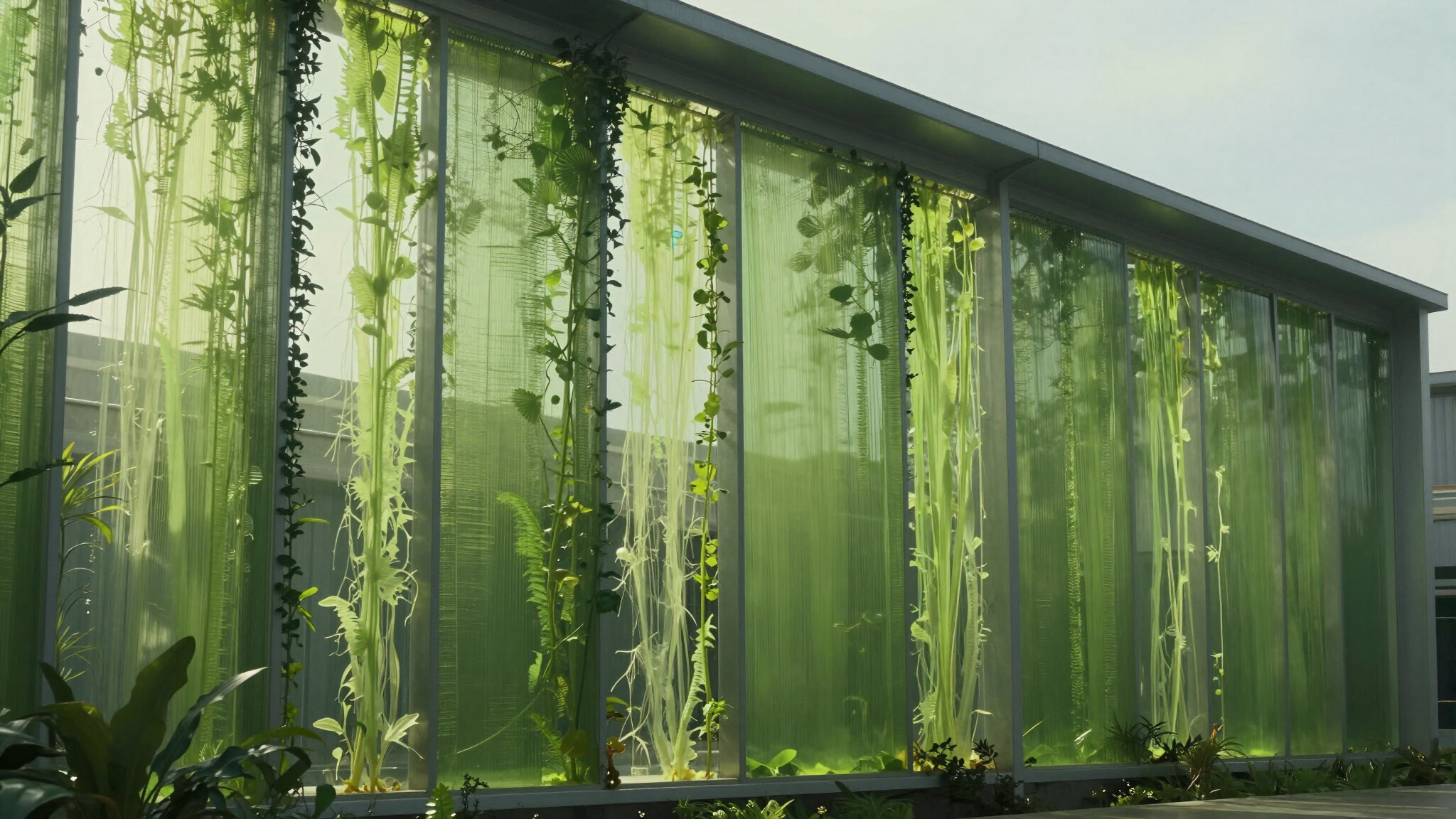
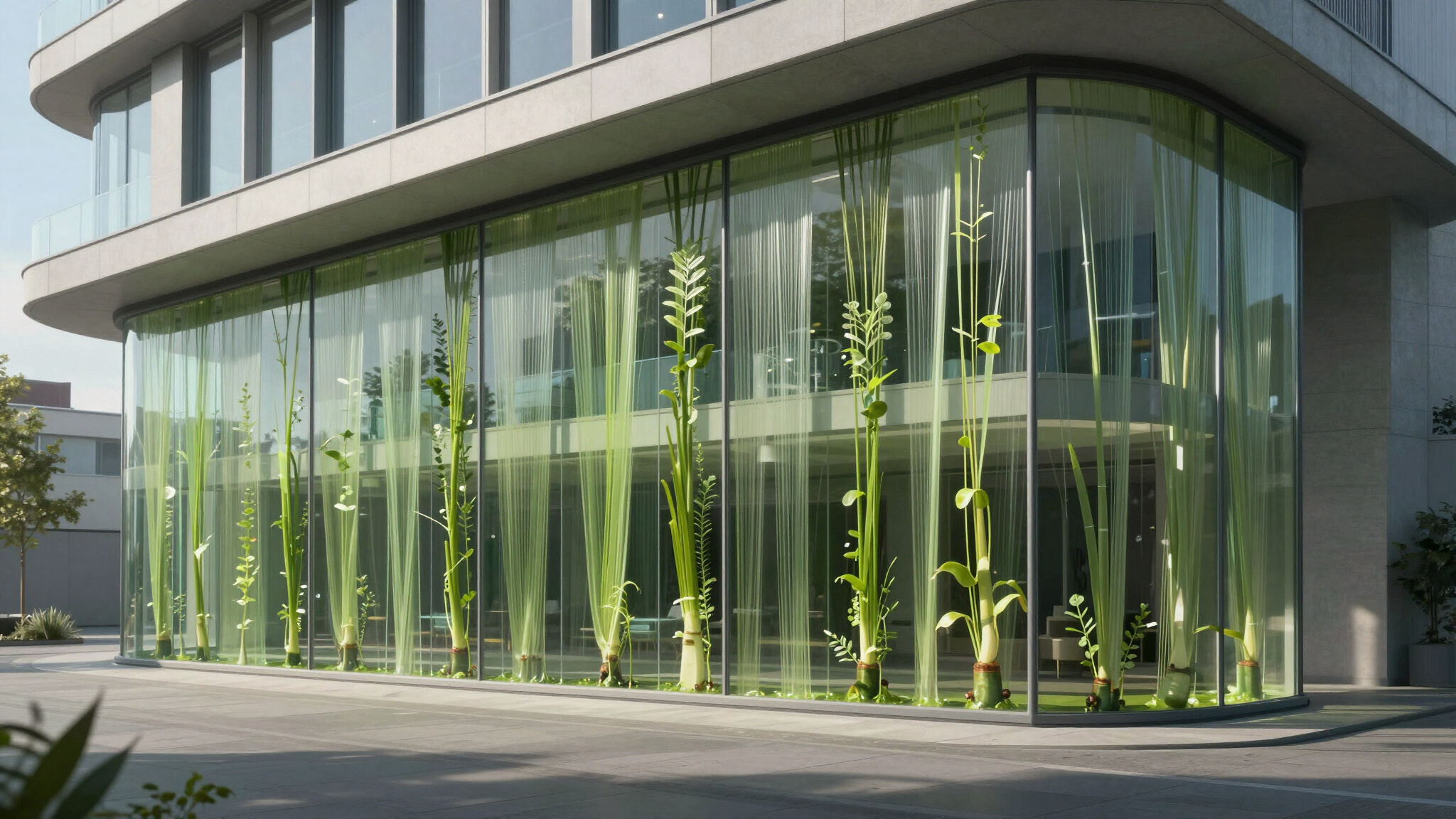
Urban buildings are responsible for significant carbon emissions, yet their surfaces remain entirely passive. Purifying Facade changes that — integrating a living microalgae photobioreactor directly into the building envelope, turning every square metre into a measurable climate contribution.

Fully Integrated Architecture
01
Structural curtain-wall modules with 3D-printed ceramic elements. No lost floor space. No bolt-on additions.
Automated Biological System
02
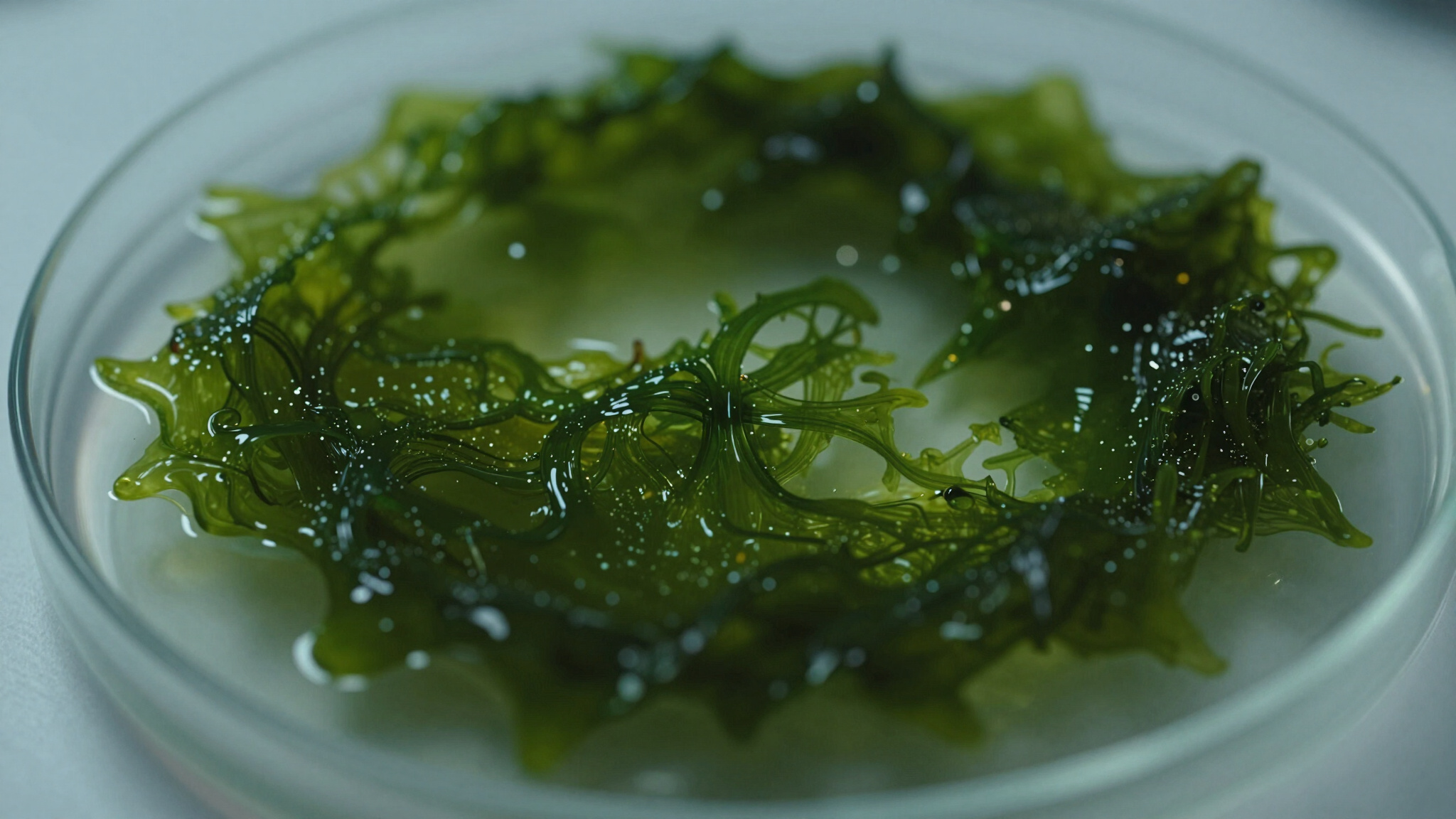
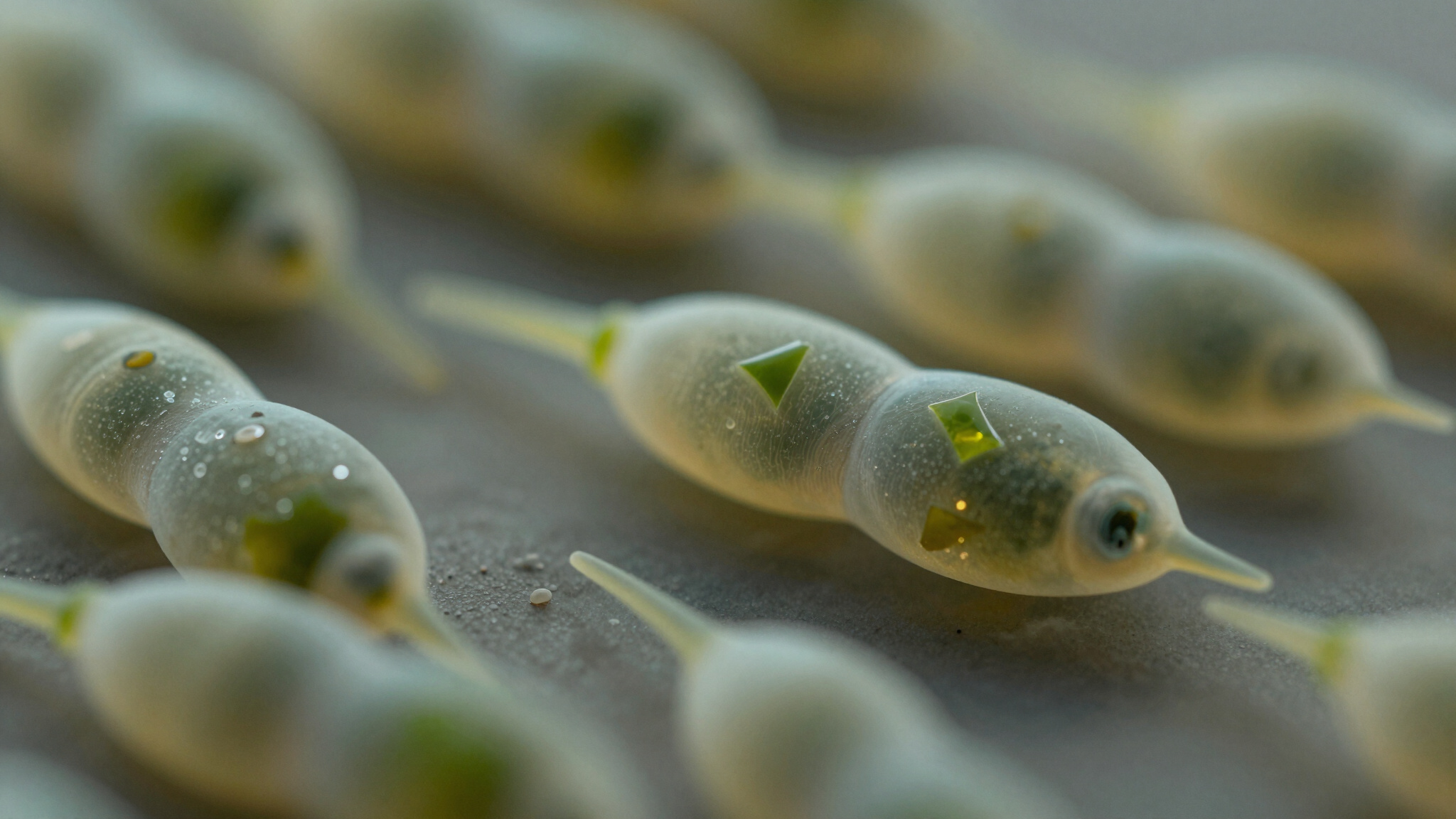
Microalgae circulation driven by Archimedes' buoyancy principle. Low-maintenance, connected to building HVAC.
BUILT-IN VALUE,
NO INVESTMENT
03
No renovation costs, no scaffolding, no painting bills. We install and maintain everything — you get a premium architectural upgrade and higher property value, at no cost to you.
Designed for ALL CLIMATE Conditions
04
Engineered to perform in sub-zero temperatures as well as heat — the system keeps running below 0°C, with all feasibility validated across extreme seasonal swings and independently reviewed by HSLU.
System Logic
How living architecture works
01
02
03
04
CO₂ Absorption
Ambient air is drawn into the modules where microalgae actively consume CO₂.
Photosynthesis
Using sunlight, algae convert greenhouse gases into oxygen and organic biomass.
Biomass Harvest
Automated systems periodically harvest the dense algae for biofuels or fertilizers.
Environmental Impact
The system constantly improves the environmental air quality and reduces the building's carbon footprint
Numbers that reframe what a wall can do
11 tons
CO₂ / m² / year (Premium)
Up to 50× more efficient than conventional trees at capturing carbon from the atmosphere.
CHF 227
Purification cost / ton CO₂
The cheapest engineered carbon purification solution on the market — by a significant margin.
3 yr
Breakeven (Premium version)
Projected under high-revenue scenario. Cumulative net profit reaches CHF 872,640 by year 10.
365
Days / year operation
Year-round performance with insulation or heating — unlike seasonal plant-based alternatives.
Target Markets

Architects
Integrating high-performance, biophilic facade systems that redefine urban aesthetics while providing measurable environmental benefits.

ESG Managers
Delivering tangible carbon offsetting and biodiversity enhancement for portfolios, meeting the most stringent sustainability standards.

Property Developers
Maximizing asset value through innovative facade technology that reduces energy costs and increases property appeal in Central Europe.